 LAIINA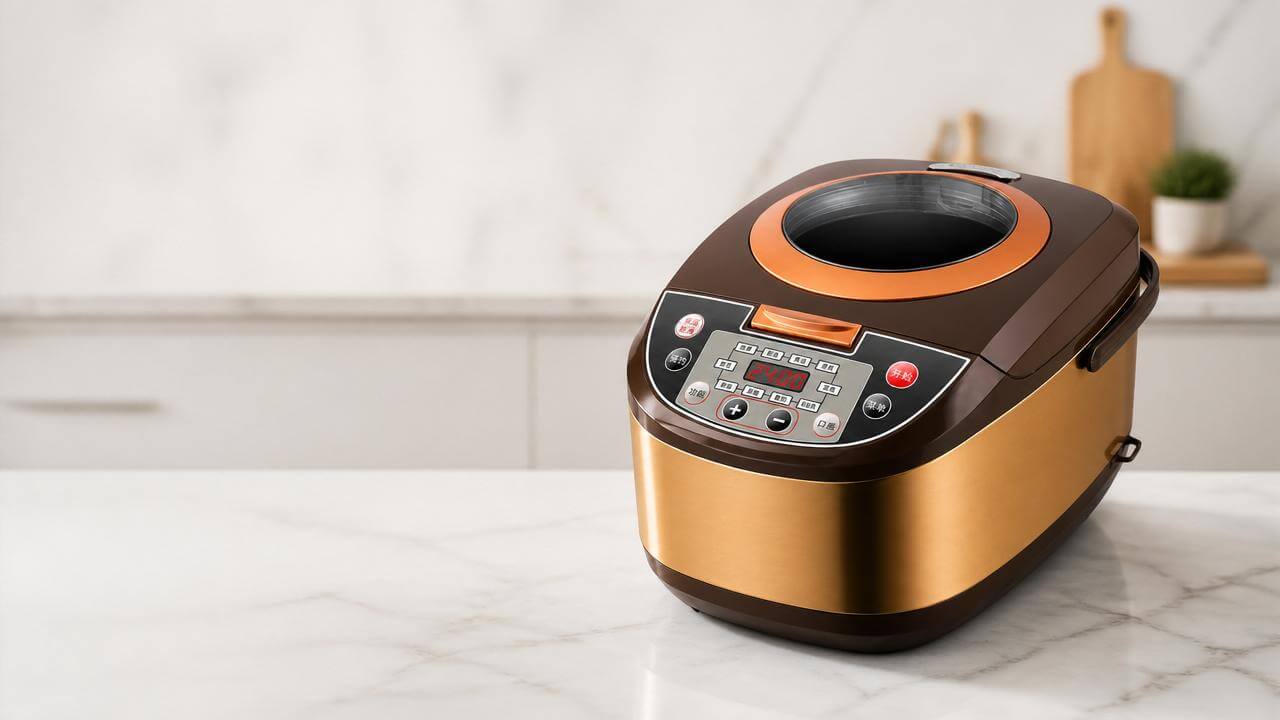
If you are building a private-label rice cooker line for a supermarket chain, marketplace store, or regional distributor, the first question is not which model looks good. The real question is whether the factory can quote the exact version your market needs without missing voltage, plug type, inner pot material, manual language, or carton requirements.
A quote that looks competitive can change once you add export details, branding, and packing rules. That is why an OEM rice cooker supplier should work from a written brief, not just a product name. Before you ask for pricing, review the base range on the rice cooker supplier page and define the spec you want to compare.
An export-ready OEM rice cooker supplier should be able to confirm your target capacity, voltage, plug, control style, and packaging before you approve a sample. The cleanest quote is tied to one market, one model, and one branding plan, so you can compare suppliers on the same basis.
If your project needs OEM/ODM support, ask what can be customized, what stays standard, and what changes affect cost. That gives you a clearer price structure and helps you avoid rework, quote gaps, and packaging surprises later.
What does OEM rice cooker customization usually cover?
Most OEM rice cooker projects start with a standard body or base platform, then add the changes your market needs. Common options include capacity, control panel layout, heating function, inner pot material, exterior color, logo application, packaging, and user manual language.
For private-label buyers, it helps to separate cosmetic changes from electrical changes. Logo printing and box design are usually easier to adjust than voltage, plug type, or control board changes. If you want to review a wider range of product directions before quoting, you can also scan the rice cooker collection and decide which style fits your channel.
Before you request a quotation, ask the OEM rice cooker supplier which items are already standard and which items need a new setup. That is often where the biggest differences in cost, sample work, and lead time begin.
Which capacity, inner pot, and control options should you decide first?
Your first sourcing decision should be the core cooking spec, not the artwork. Capacity affects the audience: a compact unit may suit single-person or convenience-focused retail, while a larger model fits family packs, wholesalers, or club-store programs. If you sell into several regions, confirm whether your target market prefers metric capacity labeling or a local format.
Inner pot choice also changes the quote and the user experience. Buyers often compare nonstick, aluminum, and stainless steel options, but they should also ask how the coating is positioned in the sales claim, whether the pot is removable, and how replacement parts will be handled after launch.
Control style matters as well. A basic switch model may suit price-sensitive wholesale channels, while a digital panel may better support retail branding. Ask whether the panel language, preset functions, and keep-warm settings match your market before you approve a sample.
| Decision point | What you should confirm | Why it changes the quote |
|---|---|---|
| Capacity | Exact liters or cups for your target market | Affects body size, carton size, and freight efficiency |
| Inner pot | Material, coating, and removable design | Changes cost, user feel, and spare-part planning |
| Voltage and plug | 110V, 220V, or another market spec | Electrical setup must match destination requirements |
| Control panel | Buttons, display, presets, and language | Impacts tooling, software, and sample approval |
How do logo, packaging, and private-label details change cost?
Private-label buyers often focus on the product first, but packaging can change the landed cost more than expected. A simple one-color carton, a printed retail box, or a full-color insert set all create different pricing outcomes. If your retail channel needs barcode labels, multilingual warnings, or a stronger master carton, confirm those details early.
Logo placement also matters. A printed logo on the housing may be simpler than a molded change, while a custom control panel or special color often needs more coordination. If you want to discuss private label, the OEM/ODM page is the right place to align branding needs before you finalize a quote.
Check whether the supplier can support your manual language, artwork file format, and carton strength expectations. These details are easy to overlook, but they can affect freight damage risk and the final buyer presentation.
How do MOQ, sample approval, and production timing affect your plan?
MOQ is not just a number; it is often linked to how much the factory must change for your version. A special color, custom box, or new control layout may increase minimum order expectations, while a standard model with light branding may stay closer to the factory’s normal run. Ask for MOQ by SKU, not just by product family.
Sample approval is the step that protects you from surprises. Before you approve mass production, confirm the exact sample version, the packaging version, and the label version. If your team needs a photo check, a physical sample, or a functional review, say that clearly in the request.
When the supplier gives a timeline, separate sample preparation, revision time, and production scheduling. This helps you plan your launch without treating one estimate as a promise. It also gives your procurement team room to manage shipping, customs, and market launch deadlines more realistically.
What export and compliance details should you confirm before ordering?
Do not assume that one rice cooker spec can move into every market without adjustment. If your destination requires CE, CB, RoHS, LFGB, ETL, or UL-related documentation, ask which items the supplier can support and which documents must be arranged for your order. Treat these as buyer checklist items, not as automatic supplier claims.
You should also confirm the voltage range, plug standard, labeling format, and manual language for each target country or sales channel. If you sell to both retail and online channels, check whether the packaging needs retail marks, batch labels, or compliance notes for each market.
For many importers, export readiness is less about one certificate and more about whether the factory understands how the product will be sold. The right OEM rice cooker supplier should help you align spec, label, and packout before production starts.
How do you request a quote that suppliers can price correctly?
A clean quotation request should be short, specific, and easy to check. Include your target market, capacity, voltage, plug type, function list, logo file, packaging needs, manual language, and target order quantity. If you also need spare parts or a different carton size, mention that in the first email so the quote is complete.
Use one brief message per project version. If you ask for too many options at once, it becomes hard to see what changes the cost. This is especially important when you are comparing a standard wholesale model with a private-label version of the same rice cooker.
For buyers who want to review current product directions before sending a brief, the rice cooker product directory is a useful starting point.
- Target market and sales channel
- Capacity, voltage, and plug standard
- Control type and inner pot preference
- Logo, carton, and manual language
- Sample approval method and spare-parts needs
- Packaging strength and export document checklist
What should an OEM rice cooker supplier include in the first quote?
The first quote should show the exact model spec, capacity, voltage, plug type, control style, packaging format, and whether logo or box customization is included. Ask for any extra cost tied to artwork, language changes, or special carton requirements. A clear quote should also note what is standard, what is optional, and what needs sample approval before production.
How do MOQ and pricing change for private-label rice cookers?
MOQ usually rises when you add color changes, custom packaging, or new panel design. A simple standard model with light private-label work is often easier to order than a fully customized unit. When you ask for pricing, request MOQ by SKU and by version so you can see the real cost difference between wholesale stock and OEM/private-label production.
Can I order one rice cooker model for different countries?
Yes, but you should confirm each market’s voltage, plug, labeling, and manual language before you place the order. One physical model can often be adapted for several regions, but not without checking the electrical spec and packaging details. This is the easiest way to avoid customs problems, customer complaints, and rework after shipment.
What questions help me judge an OEM rice cooker supplier before sampling?
Ask what can be customized, what remains standard, and which changes affect tooling, packaging, or sample approval. Also ask how the supplier handles spare parts, after-sales support, and quality check steps before shipment. A supplier that answers clearly usually makes it easier for you to avoid quote gaps and order mistakes later.
For your next sourcing step, focus on the exact market spec first, then request a quotation that matches your private-label plan. If you are ready to move forward with an OEM rice cooker supplier and want to discuss your target market, packaging, and export needs, contact Laiina through the contact page.
Need Rice Cooker / Pressure Cooker Options for Your Market?
Send your target market, quantity, voltage, plug type, logo and packaging requirements. Laiina can help you compare suitable models and prepare a clearer B2B quotation before you confirm your order.