 LAIINA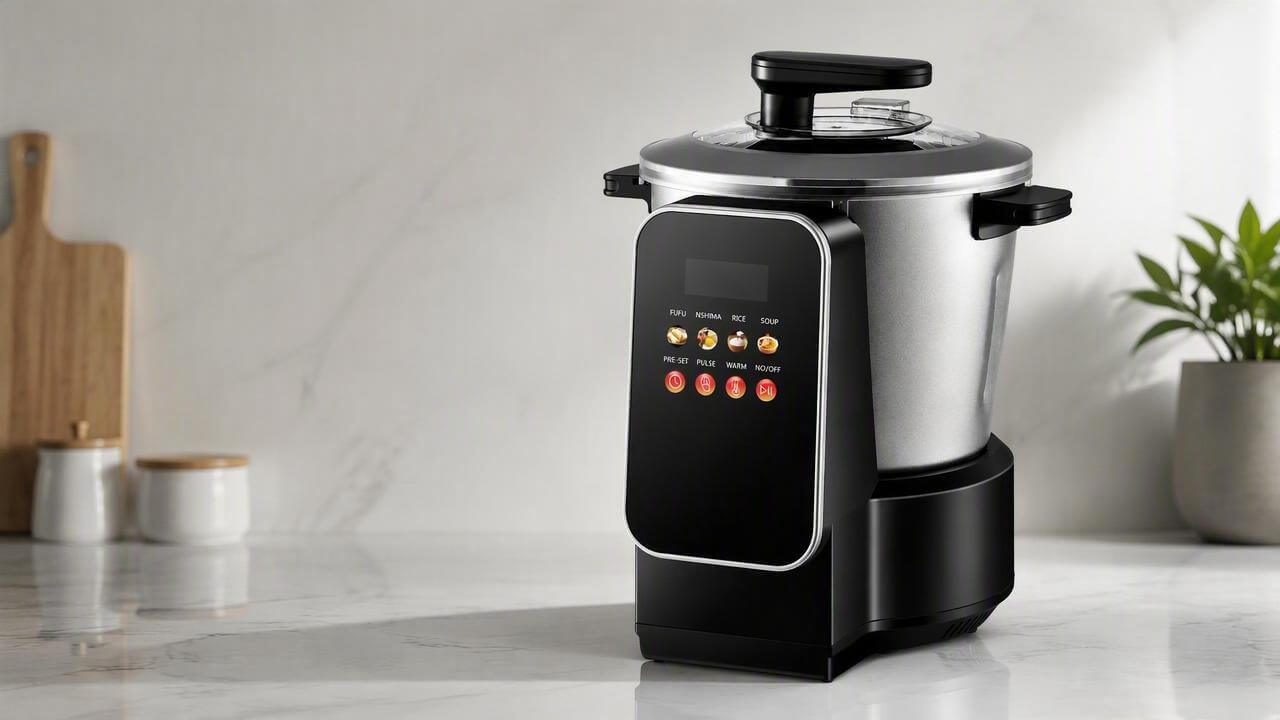
A commercial grinder can look suitable on paper and still create problems for your buying plan. The quoted output may apply to a different input condition, machine setup, or short test. Your wholesale order, however, depends on receiving the agreed model and quantity within a defined production window.
When comparing a commercial meat grinder range, turn your requirement into a written capacity brief. Ask each supplier to connect usable output, available production slots, repeat orders, and specifications in the same quotation.
Direct answer: The suitable supplier is the one that can document usable output under your agreed test conditions, reserve production availability for your order schedule, and explain how repeat orders will be handled. Compare those points against the same RFQ brief instead of selecting the supplier with the largest advertised capacity.
What Should Your Commercial Meat Grinder RFQ Define?
Begin with the supply commitment you need, not the supplier’s maximum machine claim. State the model or configuration, units per shipment, target dispatch dates, expected reorder frequency, and operating conditions for assessing output.
Your brief should also identify the specifications that must remain consistent between batches. These may include power requirement, grinding plate or cutting configuration, input material condition, controls, housing finish, and labeling. If you are evaluating a FuFu machine and meat grinder category, separate different machine types or configurations instead of combining them into one capacity figure.
Ask for capacity by model and order scenario. The phrase available capacity is incomplete unless the supplier explains whether it means a demonstration unit, a theoretical monthly maximum, or a confirmed production slot for your order.
How Can You Turn Rated Output into a Usable Supply Figure?
Rated output and usable throughput are not automatically the same. Commercial grinder output per hour can change with the material being processed, preparation method, feed consistency, operating pauses, machine configuration, and test duration. Your RFQ should ask for the conditions behind every output figure.
Request three separate answers: the stated rated output, the expected usable throughput under your specified conditions, and the basis for that estimate. The supplier does not need to disclose confidential customer information, but it should describe the test method or propose a sample verification plan using an agreed model.
Ask whether the quoted output applies continuously or only during a short test. This distinction prevents you from comparing a brief demonstration result with a production schedule that requires stable performance throughout a full order. The aim is to make each supplier calculate the same commercial requirement, not to demand an unsupported guarantee.
What Evidence Should Connect Capacity to Your Order?
Capacity verification should focus on documents and commitments that you can check before approval. Ask for a model-specific production allocation, proposed manufacturing window, and number of units that can be completed within that window. If the supplier refers to meat grinder factory capacity, ask how much is available for your configuration instead of accepting a total factory figure.
Useful evidence may include a dated production plan, written quotation with model and quantity, sample or pilot test record under agreed conditions, and a named contact responsible for schedule changes. The format can vary by supplier, but the response should be specific enough for your purchasing team to compare alternatives.
If private label or product changes are involved, list them before capacity is confirmed. A revised housing, control panel, electrical version, or special branding process can change the production sequence. For this type of project, place the approved requirements in the OEM/ODM cooperation brief and ask whether the quoted schedule applies to the customized version rather than only the standard model.
How Should the Quote Cover Repeat Orders and Peak Demand?
A supplier may support the first shipment without having a clear replenishment plan. Ask how future orders will be scheduled when the quantity, model, and specifications remain unchanged. The response should distinguish normal production availability from a peak-season request and state what information you must provide to reserve a slot.
Review meat grinder wholesale lead time as a sequence rather than a single number. Clarify when the lead time starts, whether it covers production only or also inspection and dispatch readiness, and what happens if the order is split across batches. A low meat grinder MOQ may make the first purchase easier, but it does not show that the supplier can repeat the same specification at your required frequency.
Do not rely on an informal peak-demand promise. Ask for the order notice period, maximum quantity the supplier is willing to commit to, and process for confirming a revised schedule. These details give your sales and inventory teams a usable planning assumption without presenting an estimate as a guarantee.
What Should a Quotation-Ready Go-or-No-Go Brief Include?
Send the same fields to every shortlisted supplier and score how completely each one responds. A supplier that leaves key capacity conditions undefined should remain unapproved until the missing information is resolved.
| RFQ field | Buyer wording | What the response must show |
|---|---|---|
| Output basis | State rated and usable output for the agreed material and configuration. | Test conditions, unit, duration, and model reference. |
| First-order slot | Confirm quantity and production window for this specification. | Available units, planned start, and completion target. |
| Repeat supply | State how replenishment orders are reserved and scheduled. | Notice period, order assumptions, and escalation contact. |
| Peak scenario | Explain the response to a higher quantity or compressed date. | Maximum confirmed commitment or a transparent planning limit. |
| Change control | Identify which specification changes require a new review. | Impact on output, production slot, and quotation validity. |
Use the completed brief to compare meat grinder models for wholesale supply on evidence rather than one capacity claim. A go decision is reasonable when the output basis, order slot, repeat plan, and change implications are clear. If any of these points remains vague, request clarification before approving the supplier.
Frequently Asked Questions
What is the difference between rated output and usable throughput?
Rated output is a stated capability under defined conditions, while usable throughput is the volume you can reasonably plan for under your material, configuration, operating pattern, and test duration. Ask the supplier to describe those conditions in writing. This prevents a short demonstration result from becoming the basis for a full wholesale delivery promise.
How can I verify monthly production availability without requesting confidential records?
Ask for a model-specific allocation rather than total factory statistics. The supplier can provide a dated production window, available quantity, planned completion date, and assumptions behind that allocation. A written schedule or order-specific capacity statement is more useful for purchasing decisions than an unsupported monthly maximum or general description of factory size.
What should a quotation say about repeat orders?
It should state the reorder assumptions, required notice period, expected quantity, applicable specification, and how the supplier confirms a production slot. Also ask how peak-season requests are handled and who communicates schedule changes. These points help you distinguish a supplier that can support a repeat program from one that can accept only an isolated first order.
Should every supplier use the same output test conditions?
Yes, if you want a meaningful comparison. Your RFQ should define the relevant material condition, machine configuration, measurement unit, and test duration. Suppliers may still report their internal figures, but the quotation should separate those figures from the comparable result under your agreed conditions. This makes the capacity decision more consistent and easier to support internally.
Conclusion: Treat capacity as a documented supply commitment, not a marketing number. Complete the brief with your required models, quantities, schedule, and repeat-order assumptions, then contact Laiina for a quotation review.
Need FuFu Machine / Meat Grinder Options for Your Market?
Send your target market, quantity, voltage, plug type, logo and packaging requirements. Laiina can help you compare suitable models and prepare a clearer B2B quotation before you confirm your order.