 LAIINA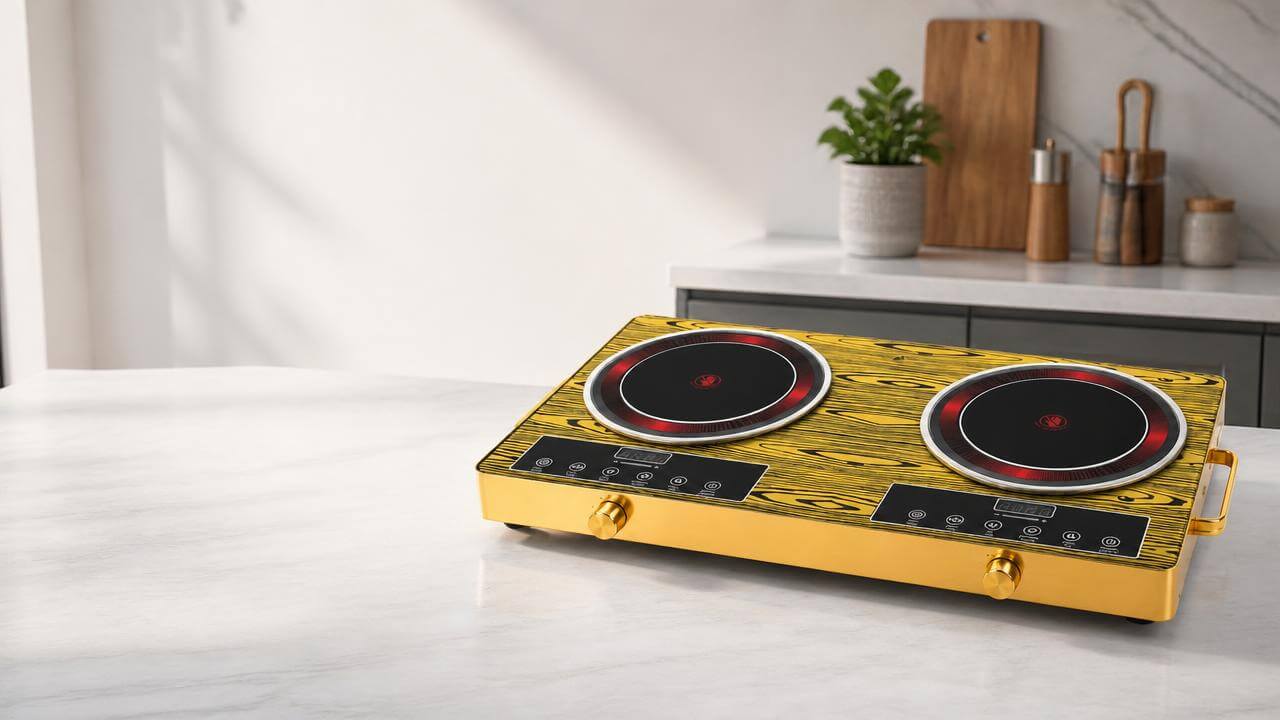
A sample can look right and still fail your market check if the voltage, plug type, control layout, or safety file does not match your destination country. Use this induction cooker specification checklist before you approve a sample from the induction cooker category, especially if you are buying for private label, retail, or a region-specific line.
The point is not to judge cooking style. It is to confirm whether the unit is ready for sampling, whether it can pass your basic market checks, and whether it will create avoidable rework later. If your buyers are distributors, supermarkets, or online sellers, the quickest way to reduce risk is to review the spec sheet, the internal board, and the compliance package together.
Direct answer: Check the rated voltage, wattage, plug type, and current/load requirement first. Then confirm the induction cooker power board, safety protections, and document set so the sample matches your target market before you move to bulk sourcing.
What Should You Verify First in an Induction Cooker Specification Checklist?
Start with the numbers that determine whether the product can actually be sold in your market. Ask for the full spec sheet, not only a quotation, and compare the sample against it line by line.
- Rated power in watts and whether it is fixed or adjustable.
- Cooking zone size or pan diameter limit.
- Control type: touch, knob, slider, or mixed interface.
- Timer range, preset modes, and display language.
- Housing material, glass thickness, and surface finish.
If the unit will be listed as an induction cooker supplier product, ask whether the same housing, control panel, and graphics can be repeated across the full order. That helps you avoid a sample that looks right but is difficult to reproduce in bulk.
How Do You Check the Power Board and Internal Components?
The visible design is only part of the review. A buyer-facing induction cooker power board check helps you judge whether the sample is built for your target wattage and whether the internal layout looks stable enough for repeat production.
- Ask for internal photos of the board, fan area, and coil layout.
- Confirm the board version used in the sample is the same version planned for mass production.
- Check whether the cooling path and fan placement look consistent and unobstructed.
- Ask which key components may change by batch and whether those changes affect the spec sheet.
You do not need repair-level detail. You do need enough information to compare samples properly. If your team is sourcing an OEM induction cooker, component consistency matters because even small internal changes can affect approval, labeling, and later reorders.
Which Electrical Rating and Voltage Details Matter Most?
This is often the first pass/fail issue for international buyers. Portable units may suit one market, while larger countertop models may need a very different electrical setup. Before sampling, confirm the exact voltage, frequency, plug type, and current draw for your destination market.
Use this section of the induction cooker specification checklist to avoid a mismatch between the unit and the destination country. If your market uses 100-120V, 220-240V, or a specific plug standard, ask the supplier to confirm it in writing and match the sample label to the quotation.
Do not assume a generic “global version” is enough. Your retailer, distributor, or marketplace listing may require a specific plug, cord length, and rated load. The safer approach is to request the electrical spec first, then decide whether the product belongs in your current assortment or needs a region-specific version from the hot plate and induction cooker range.
What Safety Protections and Compliance Documents Should You Ask For?
Check the built-in protections first, then ask for the matching paperwork. A useful induction cooktop safety features review usually covers overheat protection, auto shut-off, pan detection, child lock, and fault indication. If a function is listed in the brochure, it should be easy to confirm during sample review.
For compliance, ask which documents are available for your target market. Depending on where you sell, your checklist may include CE, CB, RoHS, LFGB, ETL, or UL as buyer verification items. Do not treat these as automatic claims; ask the supplier to show what is available for the exact model and version you want to order.
If you are preparing a private-label line, this is also the point to confirm whether the product can be aligned with your brand’s labeling, manual language, carton marks, and market-specific file requirements. If you need that route, review the OEM/ODM page before you request a quote.
How Do You Judge Durability and Batch Consistency?
Sampling is not only about whether one unit works. You want to know whether the same result is likely in the next batch. Ask for a small set of checks that can be repeated from sample to sample.
| Checklist item | What to verify | Buyer signal |
|---|---|---|
| Control response | Buttons or touch panel react consistently | Less risk of user complaints |
| Surface finish | Glass, panel, and housing appearance match the approved sample | Better retail consistency |
| Packaging | Carton strength, inserts, and print accuracy | Lower transit damage risk |
| Manual and labels | Language, warnings, and rating plate details | Cleaner market entry |
| Sample repeatability | Multiple units look and read the same | Stronger bulk sourcing confidence |
For OEM buyers, also confirm whether color, logo placement, manual language, and carton artwork can change without altering the electrical specification. That keeps your brand plan separate from the technical approval process.
How Should You Decide Pass, Conditional Pass, or Fail?
Use a simple decision rule before you move from samples to bulk purchase. A model should pass only if the electrical rating fits your market, the safety package is acceptable, and the sample matches the agreed specification.
- Pass: spec sheet, sample label, and key documents all match your target market.
- Conditional pass: the unit is technically acceptable, but manual language, carton marks, or plug details still need revision.
- Fail: voltage mismatch, unclear board version, missing safety features you require, or inconsistent sample quality.
This is where a compact bulk sourcing checklist helps you avoid later disputes. If the sample cannot be repeated with the same markings, electrical data, and pack format, do not approve mass production yet.
What should I ask for before I approve an induction cooker sample?
Ask for the full spec sheet, rated voltage, wattage, plug type, and any document set the model can support for your destination market. Also request internal photos of the board and cooling area if you need technical confirmation. The sample should match the quotation, rating plate, manual language, and packaging details before you move forward.
Which voltage and plug details matter most for resale?
Start with the destination market’s mains voltage, frequency, current load, and plug standard. A unit that looks suitable on paper can still be unusable if the rating label or plug format does not match local requirements. Confirm these points in writing and make sure the sample label is consistent with the version you plan to sell.
Do I need compliance documents before bulk sourcing?
You should at least know which documents are available for the model you want to source. Depending on your market, CE, CB, RoHS, LFGB, ETL, or UL may be part of your buyer checklist. Do not assume availability; ask the supplier to confirm the exact version, because document coverage can vary by model and market.
How do I know whether an OEM induction cooker is ready for customization?
Check whether branding changes can be made without changing the electrical spec or safety setup. Ask about logo placement, manual language, carton artwork, and label format first. If those changes are possible and the sample remains consistent across units, you have a better base for OEM or private-label sourcing. Review the cooperation route on the OEM/ODM page before quoting.
Before you approve the next sample, keep the checklist tight: electrical fit, board clarity, safety evidence, and batch repeatability. If you want to discuss a market-specific version or request a quotation, contact Laiina here.
Need Hot Plate / Induction Cooker Options for Your Market?
Send your target market, quantity, voltage, plug type, logo and packaging requirements. Laiina can help you compare suitable models and prepare a clearer B2B quotation before you confirm your order.