 LAIINA
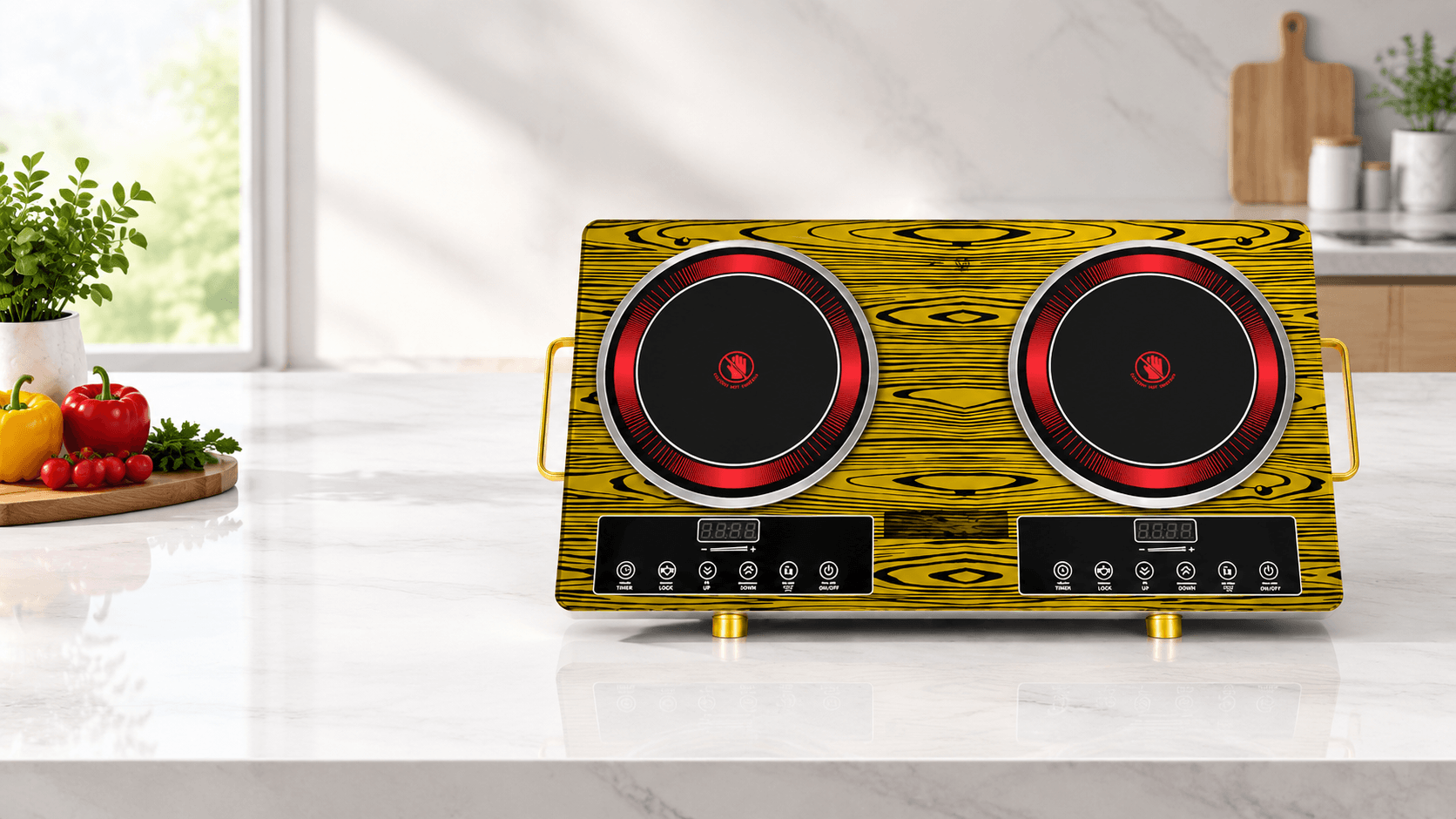
A private-label induction cooker may look fully specified in a product photo, yet still generate quotations that cannot be compared. One factory may price basic touch keys, another may assume a slider, and a third may use a different panel layout or electrical configuration. Those differences often surface only once a sample is underway.
Before requesting an induction cooker touch control OEM quotation, convert your product idea into a controlled specification. Define the installation type, user interface, panel graphics, power behavior, safety functions, and brand assets. You can then assess each proposal against the same brief instead of comparing headline prices.
Review the relevant induction cooker product range first to identify the format closest to your planned launch. Then classify each feature as fixed, preferred, or open for supplier recommendation.
For an accurate OEM request, finalize the cooker format, touch-control type, panel material and graphics, display and cooking functions, market-specific electrical requirements, safety functions, and branding placement. Send these requirements with a visual layout and sample-approval plan so every factory quotes the same configuration.
What Product Format Should You Set Before Selecting Controls?
Decide whether your brief is for a portable single-zone unit, a multi-zone built-in cooktop, or a heavier-duty model for a defined commercial application. This choice affects the housing, cooling approach, control-zone layout, installation details, and expected user interaction.
Describe the sales channel and use environment in practical terms. A countertop unit for online retail needs a concise, easy-to-read interface. A built-in model requires cutout dimensions, ventilation expectations, and a defined control-area location. Do not expect a supplier to infer these requirements from a reference image.
- State the product format, number of heating zones, and intended installation.
- Provide target exterior dimensions or an acceptable dimensional range.
- Mark features as mandatory, optional, or open to recommendation.
- Clarify whether an existing platform may be adapted or a new layout is required.
Which Touch-Control Experience Do You Need From an OEM?
A touch-control request needs more detail than “digital panel.” Specify whether you require separate touch keys, a slider control, plus/minus keys, or a combined arrangement. Each option affects graphic design, user flow, and the points you need to validate during sample review.
Map the actions users must complete: power on, zone selection, power adjustment, timer setting, lock activation, and power off. Decide whether controls are shared across zones or dedicated to each one. Where icons, wording, or indicator logic must work in multiple markets, include the required languages and symbols in your brief.
Ask how the proposed control behaves when the panel is wet, when several keys are touched at once, or when a user pauses during setup. These are approval points, not details to assume. They help you judge whether the proposed induction cooktop control panel matches the intended customer experience.
| Brief item | Decision to record | Why it affects comparison |
|---|---|---|
| Input method | Keys, slider, or combined controls | Changes interface parts and panel graphics |
| Power adjustment | Levels, increments, and displayed feedback | Defines operating behavior |
| Timer | Range, steps, and zone association | Avoids different functional assumptions |
| Lock function | Activation method and locked actions | Sets the required user logic |
| Visual language | Icons, text, languages, and units | Supports artwork review and market fit |
What Must Be Fixed in the Panel Layout Before Quotation?
Panel material is only one visible specification. Include the panel shape, usable control area, color direction, print artwork, display windows, zone markings, and logo position. Your panel concept should distinguish permanent print, illuminated elements, and information shown only while the appliance operates.
For touch panel customization, provide artwork files where available, or at least an annotated drawing. Confirm display requirements for power level, timer, lock state, error indication, and residual-heat indication where applicable to the product design. Ask suppliers to identify panel-layout constraints before they quote, rather than after artwork approval.
When reviewing available hot plate and induction cooker options, separate a cosmetic graphic update from a control-system change. They may involve different development, tooling, and approval requirements.
How Should Heating and Electrical Behavior Be Specified?
State the target-market voltage, frequency, plug expectation where relevant, total rated power, and how power is allocated between zones. For multi-zone products, clarify whether zones may operate at their stated settings at the same time and how any boost function should work. Nominal wattage alone is not a complete requirement.
Define the intended control vocabulary: power levels, temperature settings where required, preset cooking modes, timer behavior, and automatic shutoff logic. Request a clear explanation of what each mode controls, because “temperature control” can describe different functions on different platforms.
Use a requirements matrix to separate non-negotiable electrical values from options. This allows suppliers to recommend a suitable existing platform while keeping quotations comparable.
Which Safety, Compliance, and Branding Details Need Approval?
List the safety functions required by your product concept, such as a child lock, overheat protection, no-pan detection, automatic shutoff, or residual-heat warning. For each function, define what the user sees and can do. A lock icon alone does not confirm whether the power key remains active or whether timer settings can still be changed.
If your destination market requires specific documentation or markings, identify the standards and documents your team must review. CE, CB, RoHS, LFGB, ETL, or UL references are market and product verification items, not presumed claims. Confirm applicability with your compliance team and ask which documentation is available for the proposed configuration.
Then prepare your induction cooker private label package: logo file format, logo method, model name, rating-label information, manual languages, carton artwork, and barcode data. See Laiina’s OEM/ODM cooperation page for the cooperation route, but keep brand requirements in a controlled RFQ attachment.
How Do You Issue a Comparable RFQ and Approve the Sample?
Your induction cooker RFQ checklist should include the product drawing, control-flow notes, panel artwork, electrical requirements, safety-function list, branding files, and requested quotation quantities. Ask every supplier to identify assumptions, exclusions, and departures from the brief. This makes a lower quotation easier to investigate before selection.
At sample stage, inspect the actual sequence of touch inputs, display readability, panel printing, lock behavior, timer operation, and heating response against your signed brief. Record changes in a revision-controlled approval sheet. Do not approve a sample solely because the exterior appearance is acceptable.
FAQ
Should I choose touch keys or a slider control?
Choose based on the intended user flow, not appearance alone. Touch keys can suit a simple step-based interface, while a slider may support faster adjustment. In your RFQ, define the required power-setting increments, how a user selects a zone, the expected feedback, and the behavior when input is interrupted. Ask for the proposed interface layout before evaluating the option.
What panel details should be approved before requesting a quote?
Approve the panel outline, control-zone placement, display areas, heating-zone markings, logo position, color direction, and all visible symbols or text. Also distinguish printed graphics from illuminated indicators. An annotated visual is more useful than a written color name because it allows suppliers to flag layout limits and ensures that quote assumptions match the sample you expect.
How should a lock function be described in an OEM brief?
State how the lock is activated, whether it can be engaged while cooking, which controls become unavailable, and whether the power function remains usable. Include the required display indication and unlock sequence. This avoids a common ambiguity: two products can both claim a lock function while offering noticeably different control behavior to the end user.
What should be checked before sample approval?
Check the approved panel artwork against the physical unit, then run each required touch sequence: power on, zone selection, setting changes, timer, lock, alerts, and shutdown. Confirm the rated electrical configuration and safety-function behavior against the agreed brief. Document any accepted deviation in writing so the final quotation and production specification reference the same approved version.
A clear brief turns a touch-control concept into a quotation you can compare and a sample you can approve. For support aligning your requirements with a suitable product platform, contact Laiina with your induction cooker RFQ.
Need Hot Plate / Induction Cooker Options for Your Market?
Send your target market, quantity, voltage, plug type, logo and packaging requirements. Laiina can help you compare suitable models and prepare a clearer B2B quotation before you confirm your order.