 LAIINA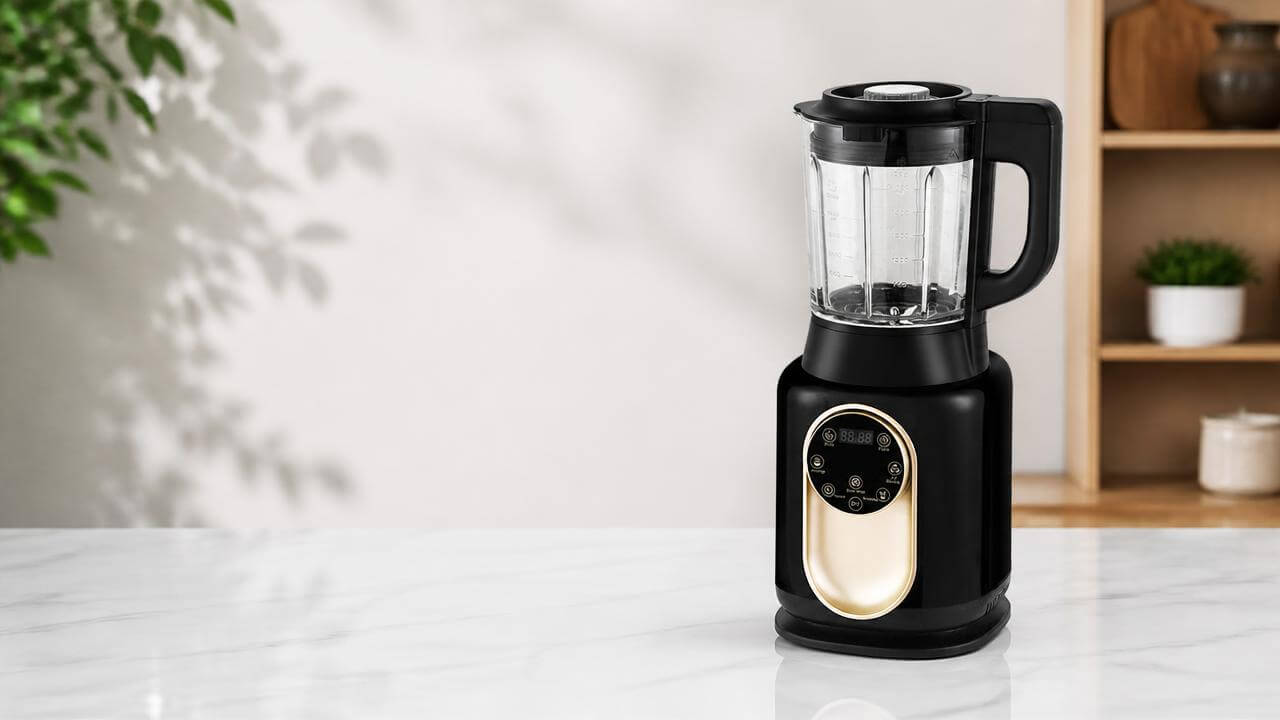
You may have identified a kitchen blender that suits your sales channel, but the opening MOQ may exceed the inventory exposure you are prepared to take. Reducing quantity without revisiting the commercial details can lead to a higher unit price, unapproved packaging substitutions, or unclear responsibility for the final configuration.
Kitchen blender wholesale MOQ negotiation is more workable when you reduce complexity without giving up control of the product. Ask what drives the minimum: a dedicated motor configuration, blade or jar variant, printed carton, color-specific material, or custom component. You can then decide which non-essential variable to standardize for the first order.
To negotiate a lower kitchen blender MOQ safely, keep the approved base model, electrical configuration, and critical material requirements fixed while accepting stock colors, shared packaging formats, or a limited SKU mix. Put every concession and its resulting price, packaging, inspection standard, and order quantity in the quotation before issuing a purchase order.
Use the kitchen blender range to identify a suitable base model before asking for a lower order quantity. A clear model reference helps you separate a practical concession from an uncontrolled change to the product.
What Is Driving the Blender MOQ?
MOQ is often tied to production setup or purchased materials, not just the finished blender. A supplier may use existing parts for a smaller order but require a larger commitment for a distinct jar, blade assembly, motor specification, plug, carton, or color material.
Ask for separate MOQ lines for the finished unit, printed gift box, color, and any custom part. This shows whether the stated blender MOQ from China is a genuine product limit or several smaller constraints combined. It also helps prevent an apparent MOQ reduction from concealing a change to the product you intended to buy.
Which MOQ Concessions Create the Most Risk?
Assess concessions by the chance of a problem, the business impact, and the evidence you need before accepting them. The matrix below covers common first-order trade-offs rather than general supplier evaluation.
| Negotiation risk | Probability | Impact | Verification action |
|---|---|---|---|
| Custom carton replaced with a generic box | High | Medium | Approve carton photos, markings, insert language, and packing quantity. |
| Mixed colors treated as separate production runs | Medium | Medium | Confirm MOQ and price by color, not only the total quantity. |
| Base model changes to meet a lower price | Medium | High | Lock the model code, approved sample, and component list in writing. |
| Required market documentation is assumed, not confirmed | Low to medium | High | State your destination-market requirements and ask what evidence applies to the exact configuration. |
| Small order receives a different inspection standard | Medium | High | Include defect criteria, test points, and acceptance process in the order documents. |
What Can You Standardize Without Changing the SKU?
The safer concessions reduce variation around a stable base model. You may accept an available color, a standard jar option already used for that model, one common carton structure, or a single SKU for the trial order. These choices can reduce separate purchasing or printing runs.
Do not trade away the details that define your sellable SKU. Keep the agreed electrical configuration, plug arrangement, key material selection, included accessories, and labeling requirements under control. If your market requires CE, CB, RoHS, LFGB, ETL, or UL-related evidence, treat this as a market-entry checklist item. Verify its relevance to the exact model and configuration rather than assuming a lower MOQ includes the same documentation.
For a branded launch, customization may be appropriate after the base order is validated. Review the available OEM and ODM cooperation options separately from the first-order quantity discussion, so artwork or component changes do not obscure the commercial decision.
Which Concessions Can Increase Cost or Quality Exposure?
A lower MOQ does not automatically mean a lower-risk order. Custom cartons may have a separate blender packaging MOQ; forcing a low quantity can add setup charges or leave you with costly unit packing. A multi-color order may appear flexible but become less economical when each color is treated as its own run.
Take particular care if a lower quantity is offered only with a changed model description. Ask whether the motor, control layout, jar, blade set, included accessories, carton, and labeling remain identical to the quoted version. “Same style” is too vague to support a purchase decision.
For an initial order, a stocked model with controlled labeling is generally easier to compare than a heavily altered unit. Browse the available wholesale kitchen blender options and request a quote for one clearly identified configuration.
How Should You Record a Negotiated MOQ?
Your quotation should show more than the final unit price. Record the model identifier, quantity, colors and quantity by color, unit price, packaging version, accessories, electrical configuration, sample reference, and payment terms. Where pricing changes at different quantity bands, show each band rather than relying on a verbal understanding.
Add a short note identifying which items are stock and which are customized. For any agreed MOQ exception, state whether it applies only to the first order, a named model, or a defined period. This prevents a one-time accommodation from being treated as a standing China supplier MOQ term.
FAQ: Lower-MOQ Blender Orders
Can I combine colors to meet one blender MOQ?
Possibly, but confirm whether the MOQ applies to the total order or to each color. A supplier may accept a combined quantity when colors use existing materials, while another may treat each color as a separate run. Ask for the price and minimum quantity by color, plus confirmation that the same model, carton, and included accessories apply to every color.
Is a stock blender safer than a customized model for a trial order?
Often, because a stock configuration can remove custom-part and printed-packaging constraints. That does not remove your need to verify the exact model, electrical version, labeling, and packaging supplied. Use a trial order to validate the base SKU first; add custom graphics or other changes only when their MOQ, artwork approval process, and cost are separately documented.
How should sample terms change when I move to a bulk order?
Ask the supplier to identify whether the bulk unit will match the sample in model code, component version, color, packaging, and electrical configuration. A sample can be useful evidence, but it is not a bulk-order specification by itself. Reference the approved sample in the quotation and state any deliberate changes before you approve the purchase order.
What is the best way to record an MOQ concession?
Put it in the supplier’s formal quotation and repeat it in the purchase order. State the exact quantity, model, color split, price, packaging, and any conditions such as “stock carton only” or “first order only.” Ask for written confirmation that no component, inspection, or labeling change will be made because of the reduced quantity without your approval.
A lower MOQ should give you a controlled way to test a blender SKU, not move hidden cost or specification risk into your first shipment. Send Laiina the model reference, target quantity, required market configuration, and the terms you are willing to standardize to request a kitchen blender quotation.
Need Kitchen Blender Options for Your Market?
Send your target market, quantity, voltage, plug type, logo and packaging requirements. Laiina can help you compare suitable models and prepare a clearer B2B quotation before you confirm your order.