 LAIINA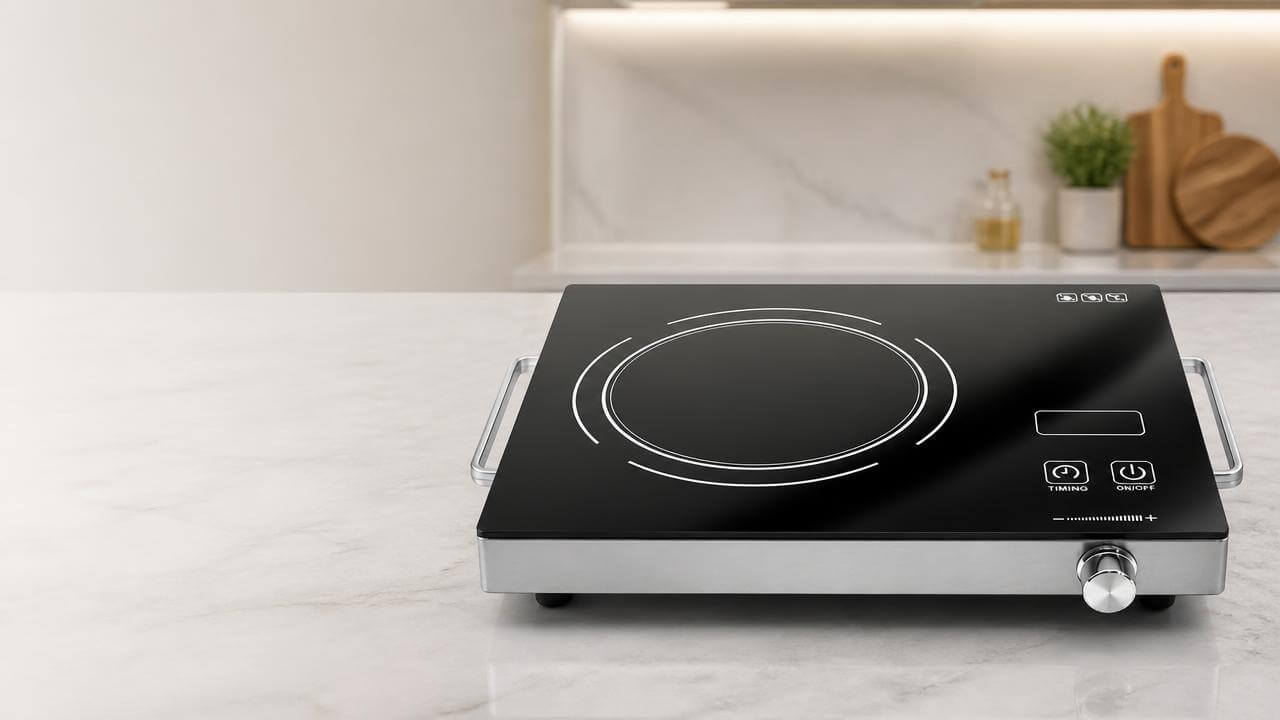
Supermarket buyers often judge an induction cooker by how it looks after customer touchpoints, shelf resets, and demo use. Cooking performance still matters, but so does whether the panel stays presentable under bright retail lighting and frequent handling. Before you shortlist a model from Laiina’s induction cooker range, check how the panel finish performs in real display conditions.
For a scratch resistant induction cooker, the panel finish usually decides how well the unit holds up on shelf. A matte or satin-look panel can hide fingerprints and light scuffs better, while ceramic glass is worth comparing when surface hardness and long-term retail display durability matter. The right choice depends on your sample, your store lighting, and the way your team cleans the unit.
For supermarket programs, a matte glass panel is often the safest starting point because it usually hides smudges and light scuffs better on shelf. If your buying brief puts more weight on surface hardness, compare ceramic glass durability with the same sample conditions. Do not approve by photos alone; inspect the panel in store-like lighting before you place a bulk order.
Which induction cooker glass panel types do buyers usually compare
Most buyers compare three panel looks: glossy glass, matte glass panel, and ceramic glass. Glossy panels can look premium, but they tend to show fingerprints and swirl marks faster during display. Matte finishes help reduce visual noise, while ceramic glass is often reviewed when you want a stronger case for hard-use retail presentation. Ask the supplier which finish is standard, which is optional, and whether the same panel is used across all order quantities.
Scratch resistant induction cooker: matte glass vs glossy glass vs ceramic glass
The best finish depends on what your team will notice first: scratches or smudges. Glossy glass can look sharp in a showroom, yet small marks are easier to see after handling. Matte glass usually supports a cleaner shelf impression because it softens reflections, which helps during retail display durability checks. Ceramic glass may be the better comparison point if you want to discuss surface hardness and repeat-use wear, but you should still ask for sample approval rather than relying on the finish name alone.
| Panel option | Retail fit | What to confirm |
|---|---|---|
| Glossy glass | Premium first look | How quickly fingerprints and fine marks show |
| Matte glass panel | Cleaner shelf presentation | Visual result under strong store lighting |
| Ceramic glass | Hard-use comparison option | Surface hardness data and sample consistency |
What durability details should you confirm before ordering
A finish name is not enough. Before you request a quotation, ask for the exact panel material description, the surface hardness test method if one is available, and whether the sample you approve will match production. It also helps to confirm carton strength and corner protection, because a panel that arrives damaged will not help your shelf plan. If your market uses a specific voltage, plug type, or manual language, include those details in the same approval round so the sample reflects your real program.
One practical check is to view the sample under the same lighting used in your stores. That simple step often shows whether a panel looks calm and uniform, or whether reflections and marks will stand out too much on the shelf.
How cleaning routines and cookware bases affect surface wear
In supermarket programs, the panel often gets handled more than it gets cooked on. That means repeated wiping, quick demo use, and pan movement can matter as much as the panel spec. Buyers should ask what kind of cookware base was used during testing, because rough bottoms or uneven contact can make wear easier to notice. For panel maintenance, the key question is not how to polish a mark later; it is whether the chosen finish still looks presentable after routine store handling.
If your display team uses a fixed cleaning routine, share it during sample approval. A finish that looks fine in a controlled test may behave differently after daily resets or frequent fingerprint removal.
Which panel works best for fast-moving retail programs
If your main goal is shelf presentation, a matte glass panel is usually the most practical first choice. It is often better at hiding fingerprints and light visual wear in busy supermarket aisles. If your product brief is more technical and your buyers want to compare durability claims, ceramic glass can be the stronger discussion point, provided you verify the exact surface finish and sample result. Glossy glass still has a place, but it works best when handling is controlled and presentation rules are strict.
To review current hot plate induction cooker listings against your retail plan, compare the sample in the same lighting, cleaning cycle, and carton condition that your stores will use.
Which glass panel should I choose first for supermarket shelves?
Start with a matte glass panel if your priority is a cleaner shelf look after handling and quick wipe-downs. It usually hides fingerprints and small visual marks better than glossy glass. If your buying brief is centered on surface hardness, keep ceramic glass in the comparison, but approve it only after you check the sample in real retail lighting and confirm the exact panel finish.
Is glossy glass a bad choice for a scratch resistant induction cooker?
Not necessarily. Glossy glass can look polished and premium, which may suit some display programs. The tradeoff is that fingerprints, dust, and light scuffs can show more clearly. If you choose it, make sure your store team can keep the panel clean and that the sample still looks good after repeated touch and reset cycles.
What should I ask for in a sample approval?
Ask for the exact panel finish, the sample used for the quotation, and a view under store-like lighting. It also helps to confirm the cookware base used during testing, the carton condition for transit, and whether the sample reflects your target voltage, plug type, and manual language. That way, your approval is based on the real retail program, not a showroom-only version.
How do voltage and plug details affect supermarket programs?
They matter because the glass panel is only part of the order. If the unit ships with the wrong voltage or plug type, the product may need rework before it reaches shelves. Confirm these details early so your sample approval, label review, and carton planning all match the market where the induction cooker will be displayed and sold.
For a supermarket program, the best finish is the one that stays presentable after handling, lighting, and cleaning in your own stores. If you want to compare panel options or request a sample for your market, contact Laiina here.
If your order needs logo, color box, manual language or private label support, you can also review Laiina’s OEM/ODM kitchen appliance service before you confirm sample details.
Need Hot Plate / Induction Cooker Options for Your Market?
Send your target market, quantity, voltage, plug type, logo and packaging requirements. Laiina can help you compare suitable models and prepare a clearer B2B quotation before you confirm your order.